
When moving abroad, there are many things to consider. It’s a huge new adventure, which will transform your life, bring you new friends and allow you to discover different cultures. There are also a couple of less exciting, practical things that need organising to get you started on your journey. But don’t worry, in this blog we’re going to take a look at the practical stuff, and how to get it all sorted so that you can make the most of your exciting new adventure!
Getting Your Visa
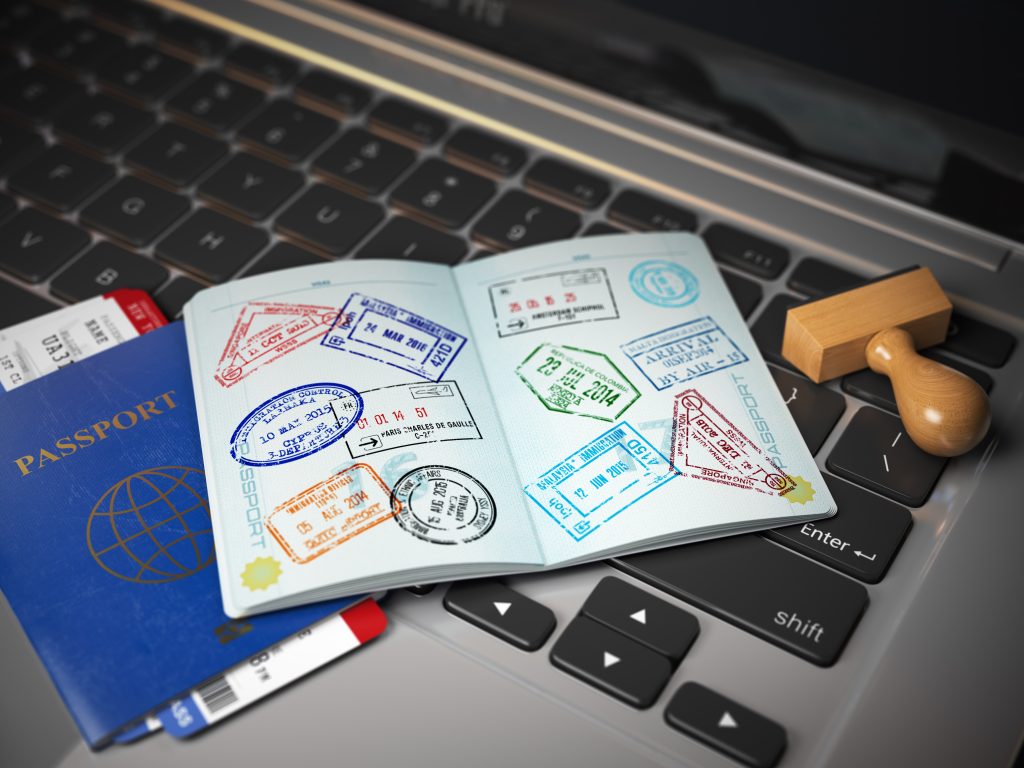
For many countries, you will require some type of visa to live and work there. Luckily, there’s plenty of information online from people who have taken that journey before. As the requirements vary from country to country, you’ll need to do a little research. Usually issued in the form of a stamp in your passport, a visa is confirmation from a country that you are legally allowed to be staying there. There are different visas for different lengths of time and different types of visits (i.e tourism or work). A great way to find out exactly what the visa requirements are is to contact the embassy of the country you will be living in from your home country. They will be able to answer your questions, and provide you with the necessary forms and documents. Sometimes, acquiring a visa is as simple as presenting your passport on arrival in a new country, but this is not always the case, so it is important to ask before you travel. Sometimes processing the paperwork can take a few weeks, especially around busy times of year for travel, so give yourself enough time to avoid any stress before moving. Here’s a helpful guide with a more in depth look at the different types of visas, what they mean, and what you will need to acquire one.

Finding Your Home
Finding somewhere to live is going to be a top priority. It’s important to have somewhere you can comfortably relax at the end of a long day. Often, your new employer will be able to help point you in the direction of trustworthy estate agents, and good local resources for finding somewhere to live. If there is a language barrier between you and the local estate agents, you can always ask for help from your new employer. In some cases, accommodation will be provided with the job. If this is something you are interested in, spend time reading job advertisements carefully to check whether this is offered before applying. This is more common in countries like South Korea, China and some areas of the Middle East. However, it is far more common that you will need to find your own housing. Often your new employer can connect you with landlords or estate agents, they will be very used to this, as they employ new teachers from all over the world every year. Easyroommate.com also offers places to live with others all over the world, so if you’re looking to move in with other people, this is a great place to check.

Booking Your Flights
When booking your flights, you want to make sure that you find a good deal. Websites like Skyscanner.com will help you compare flights to your destination country to find a bargain. If you are able to travel from or to a variety of nearby airports, make sure to check a range of combinations, as some journeys are cheaper than others. It’s also worth checking a range of dates to make sure you’re flying on the cheapest day (weekends tend to be more expensive). The prices of flights fluctuate throughout the week, month and year, meaning that even if you find a great flight, it might be more expensive on Thursday, and cheaper to book on Friday! Skyscanner has a great tool to email you an alert when the price for a flight is below average, saving you even more money!
It is important to research travel to and from the airports too. Often there will be shuttle buses or other public transport available which will be much cheaper than a taxi. Again, your employer will know a lot more about the local transport options, so should be able to help with this. Don’t be afraid to ask!

Setting Up Your Bank Account
You may need to set up a local bank account in the country you are moving to. Using cards from British banks in other countries can incur a charge at ATM machines and when making transactions, which over months will begin to build up. It’s worth shopping around to find the best bank for you, some banks make it really easy to transfer money abroad (i.e to your U.K bank account) whereas with others it is harder. Some bank accounts also have a fee for set up or usage, so you want to make sure that you know what you are signing up for. Take time to speak to your employer and your new colleagues to ask for recommendations for local banks to sign up with. We recommend signing up with a bank that has a branch local to where you are living, so it is not too much of an inconvenience if you need to go in to the bank for any reason.
Some banks that you will already have access to in your home country will have no fee for usage abroad, so it may be worth signing up for an account like this ahead of time. Which? Has a handy guide on banks that are free to use abroad, which you can read here.

Starting To Socialise
Making friends in a new country might seem like a daunting task, especially if it is your first time living abroad. But it’s much easier than you’d think! First of all, there’ll be plenty of colleagues to socialise with at your new school, many teachers will also find themselves living away from home, and will be keen to make new friends. However, if you’re looking to grow your social circle outside of work, there are plenty of options.
Language exchanges are very common overseas, where two or more people who speak different languages will meet up and socialise as an opportunity to learn from each other. Locals may suggest it to you, or you can search local forums and Facebook groups for people keen to be involved in a language exchange. Not only is it a great way to learn a new language, but also meet new people. Meetup.com is also a handy website where people organise open social events in all sorts of places, for all sorts of different activities. Keep an eye on meetings going on in your local area, or even suggest a meeting of your own.
Although there may be some challenges to overcome, we know that your adventure abroad will be entirely worth it. As they say, life begins at the end of your comfort zone.
If you’re interested in beginning your next adventure with the CELTA, click here to learn more about the courses we have on offer.