
Of all of the cultural facets connected to language learning, exploring the many and varied cuisines has to be one of our favourites. Arabic-speaking countries have so many delicious recipes and traditional foods that we’re spoilt for choice. Learning about these tasty treats is a great way to heighten those language skills, with lots of new vocabulary up for grabs, as well as opportunities to find grammar used in context. Here are a few pieces of food-themed Arabic content that we’ve been enjoying, both from language and foodie perspectives!
Lebanese Cuisine
Dreams Food has a wide range of recipes and is the perfect way to learn how to cook traditional Lebanese dishes. There are lots of videos on YouTube containing both English and Arabic text, making them particularly accessible for learners. Why not spend some time learning some recipes and wow your friends by throwing them a dinner party based on what you’ve learned?
Food Culture in Dubai
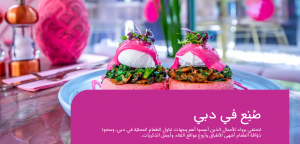
Dubai is home to many trendy eateries and has a vibrant foodie scene. Want to find out more about the local culinary culture? Check out the food section on the Visit Dubai website. It has lots of interesting articles about restaurants, chefs and what’s going on in the city’s world of food. The website is available in both English and Arabic and flicking between the two makes for a nice reading comprehension exercise.
Tunisian Dishes
If you’ve ever been on holidays to Tunisia, you’ll know how incredible the local cuisine is. But what if you could recreate some of these amazing dishes at home? Check out the Cuisine Imen YouTube channel. It’s home to loads of mouth-watering recipes so you’ll be spoilt for choice with ideas. It’s also a great way to work on your listening skills too.
We also love this video from the Tunisian Cuisine channel, offering a tutorial on how to make a traditional couscous dish. The flavour combinations are absolutely mouth-watering, and what’s more, you’re sure to pick up some new vocabulary as you watch. The video is better aimed at higher level students, but the visuals are pretty self-explanatory, meaning anyone can give this a go. Check it out!
Egyptian Street Food
Recently we’ve been enjoying the videos of Emirati vlogger Joe HaTab. He covers loads of topics, but lots of his videos are about food, travel and meeting different people around the world. What’s more, his videos come with handy English subtitles, so are great for Arabic language learners to be able to explore new cultures and enjoy content aimed at native speakers. In this video he travels with a friend to Cairo and discovers the city’s delicious street food.
Traditional Coffee
A great way to learn new words is to hear them used in context, and that’s exactly what Arabic teacher Colette does in her Say in it Arabic video series. She introduces learners to new vocabulary whilst describing different things or scenarios. This is a great way of making sense of new words and of getting them to sink in. In this video she shows us how to make a traditional cup of coffee – we can smell how delicious it must be from here!
Tasty Treats
Pistachios and dates are a staple in many desserts and treats in Arabic speaking countries, and are particularly delicious in the autumn months having spent the summer months under the sun. One such treat, maamoul is especially mouth-watering, and although typical for feasts and celebrations such as Eid, we’re happy to eat them all year round! Pistachio and date maamoul are truly divine, and are not too complicated to make if you know how. Learn the process in this handy video.
We also love this how-to guide on making Kaak el-Eid. With lots of garden parties happening over the summer, it’s the perfect excuse to make some of these moreish biscuits. This handy cookery video which is aimed at Arabic language students, meaning you can learn lots of useful vocabulary as you go!
Has all this talk of food made you hungry to learn Arabic? Join us at IH London where we offer both online and face-to-face Arabic language lessons, from beginners to advanced levels. Find out more here.